
Picking from the 10 best social networking sites is harder than it looks. Billions of people log in every day, yet each platform has its own audience, tone, and rules. A brand that thrives on LinkedIn can fall flat on TikTok, and a viral Pinterest board may never earn a single repost on X.
This guide ranks the popular social networking sites by audience size, explains what each one does best, and shows how businesses use them. You will also find the latest global social media statistics, a plain-English answer to which type of social networking site describes LinkedIn, and tips for connecting your social presence to a real storefront.
Global Social Media Statistics: Social Networking Market Statistics & Facts
Before the list, a little context. These social networking market statistics explain why the platforms below deserve a place in almost every marketing plan.
- Audience size: DataReportal puts worldwide social media user identities at roughly 5.8 billion, around two-thirds of the planet. Because one person can hold several accounts, treat this as identities rather than unique people.
- Reach among internet users: More than nine in ten people who go online use social media at least monthly.
- Daily habit: The average user spends a little over two hours a day on social platforms, and most of that time happens on mobile.
- Money: Global social advertising spend passed $230 billion in a single year, and social commerce is estimated at over a trillion dollars.
- Discovery: Salesforce research found that about 53% of shoppers use social platforms to find new products.
These social networking popularity statistics keep moving, so check the primary sources before quoting them. For a similar look at how big a single technology footprint can get, see our breakdown of the percentage of websites using WordPress.
Platform size at a glance
Types of Social Networking Sites (and Which Type Describes LinkedIn)
People use “social networking” and “social media” almost interchangeably, but they are not identical. Social networking sites are built around profiles, connections, and relationships. Social media is the wider family that also includes content sharing, video, messaging, and community forums. Most of the social networking sites examples below blend several of these roles.
Which type of social networking site would best describe LinkedIn?
LinkedIn is a professional networking site. Its profiles work like living résumés, its feed centres on industry news and career updates, and its main uses are hiring, job hunting, B2B prospecting, and thought leadership. That focus on work relationships is exactly what separates it from friendship-first networks such as Facebook.
The 10 Best Social Networking Sites
This list of social networking services is ordered by approximate monthly active users. Each entry covers what the platform is good at and who gets the most out of it. The links point to each official site.
1. Facebook
Launched 2004 · about 3.07 billion monthly users · Owned by Meta
Facebook is still the broadest social networking site on the web, with an audience that spans nearly every age group and country. Pages, Groups, Marketplace, Events, and live video give businesses several ways to reach people, and Meta’s ad tools are among the most mature in the industry.
Best for: local businesses, community building, and paid acquisition. Organic reach for brand pages is limited, so groups and ads usually do the heavy lifting. If you run ads, connect your site with the right tracking by reading our guide to Facebook Pixel plugins for WordPress.
2. Instagram
Launched 2010 · about 3 billion monthly users · Owned by Meta
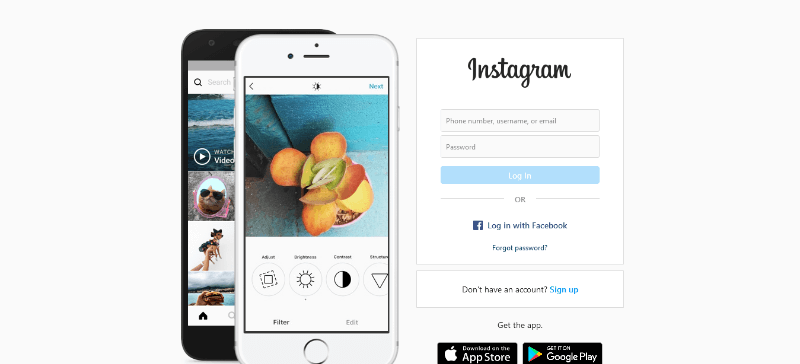
Instagram turned photo sharing into a full discovery engine. Reels carry most of the reach today, Stories keep followers engaged, and shoppable tags move people from inspiration to purchase. It pairs naturally with influencer partnerships.
Best for: fashion, food, beauty, travel, and any brand with strong visuals. To display your feed on your own site, see these Instagram plugins for WordPress.
3. WhatsApp
Launched 2009 · about 3 billion monthly users · Owned by Meta
WhatsApp is primarily a messaging app, yet it behaves like a social network in countries such as India and Brazil. Groups, Channels, and the Business app let companies answer questions, send order updates, and share catalogs. Message open rates are far higher than email, according to WhatsApp’s own business data.
Best for: customer support, order notifications, and direct sales conversations.
4. YouTube
Launched 2005 · about 2.5 billion monthly users · Owned by Alphabet
YouTube is the home of long-form video and the second-largest search engine for how-to content. Shorts add a TikTok-style feed, and a strong recommendation system helps good videos find an audience over months or even years.
Best for: tutorials, product demos, reviews, and education. Browse our list of top WordPress YouTube channels to see how niche creators build loyal audiences.
5. TikTok
Launched 2016 · roughly 1.6 to 2 billion monthly users depending on source · Owned by ByteDance
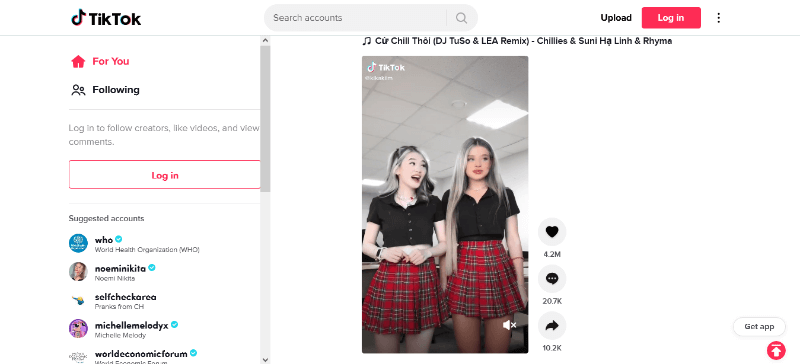
TikTok built its reputation on short vertical video and a recommendation algorithm that can push a clip from a small account to millions of viewers. It is the most direct route to Gen Z and younger Millennials, and TikTok Shop lets brands sell inside the app in supported markets.
Best for: trend-driven brands, entertainment, creators, and impulse-friendly products. Availability and regulation differ by country, so check local rules before building a plan around it.
6. Snapchat
Launched 2011 · about 900 to 950 million monthly users · Owned by Snap Inc.
Snapchat favors fleeting, informal content: disappearing Stories, quick messages, and augmented reality lenses. The audience skews young, and the feel is more private than most feeds.
Best for: behind-the-scenes moments, AR campaigns, and reaching Gen Z in a relaxed tone.
7. X (formerly Twitter)
Launched 2006 · roughly 590 to 650 million monthly users · Owned by X Corp.
X remains the place for real-time conversation around news, sports, politics, tech, and culture. Posts move fast and discussions can get heated, so it rewards brands that are quick, concise, and good at listening. Many WordPress developers and publishers still share updates there; see this list of WordPress influencers on Twitter.
Best for: breaking news, event coverage, public relations, and customer questions.
8. Pinterest
Launched 2010 · about 578 million monthly users · Pinterest, Inc.
Pinterest works more like a visual search engine than a conversation feed. People arrive with a plan, whether that is a kitchen remodel, a wedding, or a wardrobe, which makes them open to product ideas. Pins can keep sending traffic long after they are posted.
Best for: ecommerce, home, fashion, recipes, and DIY. Pinterest reports that most of its audience is female, with a growing Gen Z share, so check its audience insights before you commit.
9. LinkedIn
Launched 2003 · more than 1.2 billion members · Owned by Microsoft
LinkedIn is the leading professional network. It does not publish global monthly active users, and outside estimates are far below its member count, but its audience is rich in decision-makers, recruiters, and job seekers. Posts tend to have a long shelf life, and engagement is purposeful.
Best for: B2B lead generation, employer branding, recruiting, and thought leadership.
10. Reddit
Launched 2005 · over 100 million daily users · Reddit, Inc.
Reddit is a collection of interest-based communities called subreddits. People go there for honest opinions, troubleshooting, and recommendations, which makes it valuable for market research and for brands willing to contribute rather than promote. Self-promotion without value is usually rejected quickly.
Best for: niche communities, customer research, and expert Q&A.
Other Notable Social Networking Services
The ten above lead the pack, but several more services deserve a mention depending on your audience and region.
| Platform | Type | Why it matters |
|---|---|---|
| Super app | Dominant in China; combines chat, payments, shopping, and official brand accounts. | |
| Douyin | Short video | The China-market counterpart to TikTok, with built-in commerce. |
| Telegram | Messaging | Large channels and groups, strong privacy focus, bots for in-app sales. |
| Threads | Microblogging | Meta’s text-first network, tied to Instagram accounts. |
| Messenger | Messaging | Useful for support and click-to-chat ads from Facebook and Instagram. |
| Quora | Q&A | Builds authority by answering common niche questions. |
| Discord | Community chat | Loyal communities around gaming, tech, and hobbies. |
| Tumblr & Medium | Blogging | Creative sharing and long-form storytelling that can feed traffic to your site. |
Best Social Media Platforms for Business
The right choice starts with your goal, not with the biggest number. This table maps common business aims to the best social media platforms for business.
| Your goal | Strongest options | Why |
|---|---|---|
| B2B leads and hiring | Professional audience and decision-makers. | |
| Brand awareness with young audiences | TikTok, Instagram, Snapchat | Short video and discovery-driven feeds. |
| Broad reach and paid ads | Facebook, Instagram | Mature targeting and analytics. |
| Teaching and demos | YouTube | Long-form video with lasting search value. |
| Product discovery | Pinterest, Instagram | Users browse with buying intent. |
| Customer support | WhatsApp, Messenger | Direct, personal conversations. |
| Research and niche communities | Reddit, Quora, Discord | Honest feedback and high-intent questions. |
| Real-time updates | X, Threads | Fast conversation around news and events. |
Most small teams do best with one or two channels done well rather than six done halfheartedly.
From Social Feed to Storefront
Followers do not pay your bills; customers do. The strongest social strategies send people to a storefront you control, whether that is a WooCommerce shop, a Shopify store, or a catalog inside a messaging app.
A few habits make the handoff smoother:
- Use a fast, mobile-friendly shop, because most social traffic arrives on phones.
- Install tracking so you know which network produces sales, not just visits.
- Keep your theme flexible. If the default WooCommerce theme feels limiting, compare alternatives to the WooCommerce Storefront theme.
Social Media Website Design Examples: What the Big Networks Get Right
Studying social media website design examples is a free design education. Despite different brands, the leading networks share a few patterns worth borrowing for your own site:
- A clear primary action. Facebook and LinkedIn put “post” or “connect” front and centre; Pinterest puts search and saving first.
- Card-based feeds. Content sits in consistent cards, which makes scanning fast and layouts easy to adapt to any screen.
- Generous whitespace and strong typography. X and Reddit keep text readable at a glance.
- Visual hierarchy through media. Instagram, TikTok, and YouTube let images and video lead, with controls fading into the background.
- Mobile-first navigation. Bottom bars and thumb-friendly buttons are now standard.
For more layout ideas, browse these website design inspiration sites.
Build Your Own Social Network on WordPress
Sometimes the best alternative to renting space on someone else’s platform is hosting your own community. WordPress plus BuddyPress can power member profiles, activity feeds, groups, and private messaging. Start with this roundup of WordPress BuddyPress themes and our picks of community WordPress themes. Owning the platform means owning your audience data, rules, and revenue, though it takes more effort to attract members than joining an established network.
How to Choose the Right Social Networking Site
- Define your audience. Look at who already buys from you and where they spend time online.
- Set one clear goal. Awareness, leads, sales, support, and hiring each point toward different platforms.
- Match your content strengths. If you dislike filming video, start with Pinterest, LinkedIn, or written posts.
- Check your capacity. Fast-moving platforms like X demand daily attention; Pinterest allows a slower rhythm.
- Test for a few months. Track clicks, sign-ups, and sales, then double down or add one more platform.
Also watch the regulatory side. Some countries, including Australia, are tightening age limits for under-16 users on major networks, which may change who you can reach.
Frequently Asked Questions
Which type of social networking site would best describe LinkedIn?
A professional networking site. It is designed around careers, hiring, business connections, and industry content.
What are the most popular social networking sites?
By monthly active users, Facebook, Instagram, WhatsApp, YouTube, and TikTok lead, followed by Snapchat, X, Pinterest, LinkedIn, and Reddit.
What are some examples of social networking sites?
Facebook, LinkedIn, X, Instagram, Pinterest, Reddit, Snapchat, TikTok, YouTube, and WhatsApp are the most common examples.
How many people use social media worldwide?
DataReportal estimates roughly 5.8 billion user identities. Since people can hold multiple accounts, the number of unique individuals is lower.
Is a social networking site the same as a social media platform?
They overlap heavily. Social networking sites emphasise relationships and connections, while social media platform is a broader term that also covers video, messaging, and content sharing.
How many platforms should a business use?
One or two, at least at first. Consistent effort on a small number of well-matched channels usually beats thin coverage everywhere.
Final Thoughts
The 10 best social networking sites each earn their place for a different reason: Facebook for reach, Instagram and TikTok for visual discovery, YouTube for depth, LinkedIn for professionals, Pinterest for planning, and Reddit for honest conversation. Pick the one or two that fit your audience and goals, connect them to a fast storefront, and measure what happens. Statistics change quickly, so revisit the official sources, such as DataReportal and Pew Research Center, before making budget decisions.